
Nous apprenons lors de ce cours à recourir aux travaux de recherche afin de commenter de façon efficace un document, en vue de mieux l'exploiter ensuite avec des élèves en classe.
- Enseignant: Iris Cotteaux
Catégorie: Collège SSH
Nous apprenons lors de ce cours à recourir aux travaux de recherche afin de commenter de façon efficace un document, en vue de mieux l'exploiter ensuite avec des élèves en classe.
Le diplôme de master MEEF histoire-géographie est destiné à la formation d'enseignant(e)s du second degré (collège et lycée), dans les deux disciplines mentionnées et en enseignement moral et civique.
Construction de la boîte à outil du chercheur
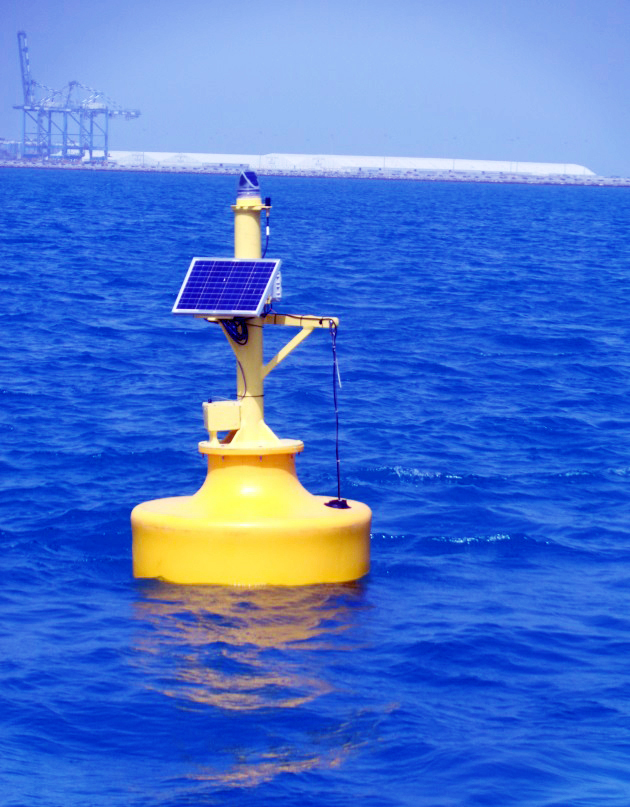
Determining water quality is a key question and legislation aims at achieving an ecological and chemical “good status” of all water bodies. In this module, we focus on superficial water bodies (e.g.: rivers, lakes, estuaries, coastal waters) and the way to assess the status of their physico-chemical status by means of measures, sampling and laboratory analysis.
Field operations are located in the coastal lagoon of Vieux Boucau (SW France). Students are in charge of the monitoring design, the hydrological monitoring and laboratory activities.
Aims
The aim of this course is to provide students with a largely comprehensive introduction to aquatic system monitoring by using a wide range of field equipment and lab analyses to investigate the physics and geochemistry of surficial waters.
Objectives
At the end of the Unit, students should be able:
1. to know the basis for defining water quality
2. to set up a sampling strategy (types of pollutants, station location, sampling frequency, sampling apparatus)
3. to perform basic laboratory activities (concentration measurements), control the quality of the data and process data treatment
4. to understand and interpret a water analysis
5. to use databases (multi-variables data), statistical analysis and trend determinations to present, interpret and evaluate results in appropriate forms.
Key Skills Acquired
At the end of this Unit, students should understand:
1. the sampling strategy to encompass spatial and temporal variations
2. the major parameters used to define water quality and measurement methods
3. analytical methods to quantify nutrients and particulate matter parameters
Syllabus
Topics covered include:
• Sample preparation: sampling, preservation, preparation, extraction, analysis
• Expression of results: studied parameters, units,
presentation of results, precision and accuracy
• Chemical substances and pollution criteria
• Major physicochemical characteristics (T, salinity, dissolved oxygen, pH, turbidity), measurement methods
• Particulate material (organic SPM, C, N, P, chlorophyll pigments), measurement methods
• Nutrients (nitrite, nitrate, ammonia, phosphate, silicate), measurement methods
• Application of analytical methods to environmental samples
Learning & Teaching
• Lectures: 30 hr
• Practical tutorials : 6 hr
• Field and lab analysis 24 hr
Teaching Staff
M Monperrus / L Lanceleur
Semester 1
Timetable slot To be advised
ECTS 6
Level
Bibliography
• Fundamentals of Environmental Sampling and Analysis, by Chunlong Zhang
• Water Quality: An Introduction , by Claude E. Boyd
Assessment
• Written theory examination (50%)
• Field report presenting details of sampling collection and environmental measurements as well as post-fieldwork analysis.
(50%)
Course Evaluation
By completion of University Unit Evaluation Questionnaire by students, annual assessment by Unit Coordinator.
1st year English classes for all M1 MO2S students

AUTO-EVALUATION 1 DES PRE REQUIS DU
Chapitre 1 : Comptabilité de gestion et typologie des coûts
In this course you will find documents to prepare you to the TOEIC test as well complementary work.